Learn How To Flush Your Water Heater Like a Pro
Save hundreds of dollars with our step-by-step maintenance guides. We show you exactly how to flush sediment, replace anode rods, and keep your water heater running efficiently for years.
Why Flushing Your Water Heater Matters
Over time, minerals and sediment build up in your water heater tank. This buildup reduces efficiency, shortens the life of your heater, and can even cause damage.
Save Money
A clean tank heats water faster, reducing energy bills by up to 15%. Regular flushing extends tank life by years.
Better Performance
Sediment acts as insulation between the burner and water. Remove it for faster heating and hotter water.
Prevent Damage
Sediment buildup can cause leaks, rust, and even tank failure. Regular maintenance prevents costly repairs.
Maintenance Guides
Everything you need to maintain your water heater, from basic flushing to complete anode rod replacement.
How to Flush
Complete step-by-step guides for flushing sediment from your water heater tank.
🔩Anode Rods
When and how to replace your sacrificial anode rod to prevent tank corrosion.
🔧Tools & Equipment
Essential tools and products for DIY water heater maintenance.
🔍Troubleshooting
Solve common water heater problems: no hot water, leaks, noise, and more.
Recommended Tools & Products
Essential equipment for DIY water heater maintenance.

Performance Tool
Performance Tool 1-1/16 Inch Anode Rod Socket
Removing stubborn factory-installed anode rods

Dixon Valve
Dixon Brass Garden Hose Adapter
Custom flushing setups and pump connections

Eastman
Eastman Aluminum Water Heater Drain Pan
Flood prevention in indoor installations
HMP
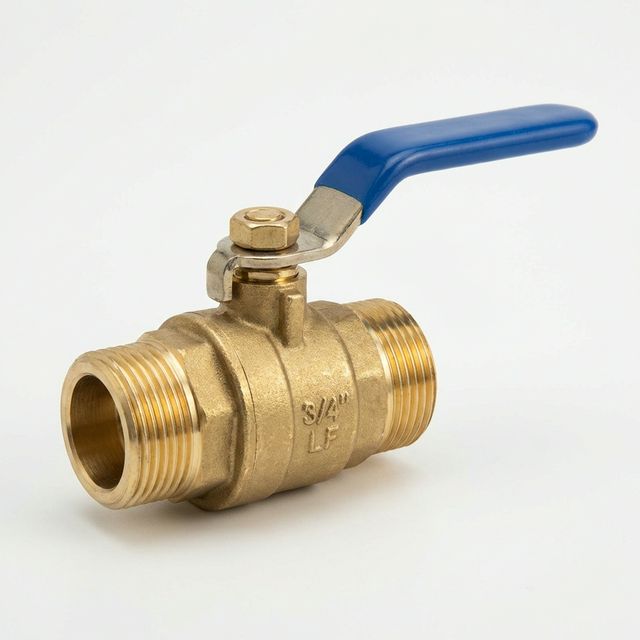
HMP 3/4" Full-Port Brass Ball Valve Drain Valve
Replacing leaking or clogged plastic drain valves

Camco
Camco 4500W Screw-In Water Heater Element
Fast recovery time in standard electric heaters

Camco
Camco Professional Element Wrench
Essential for electric water heater repair
Latest Guides & Articles
Expert-written maintenance guides for DIY homeowners.
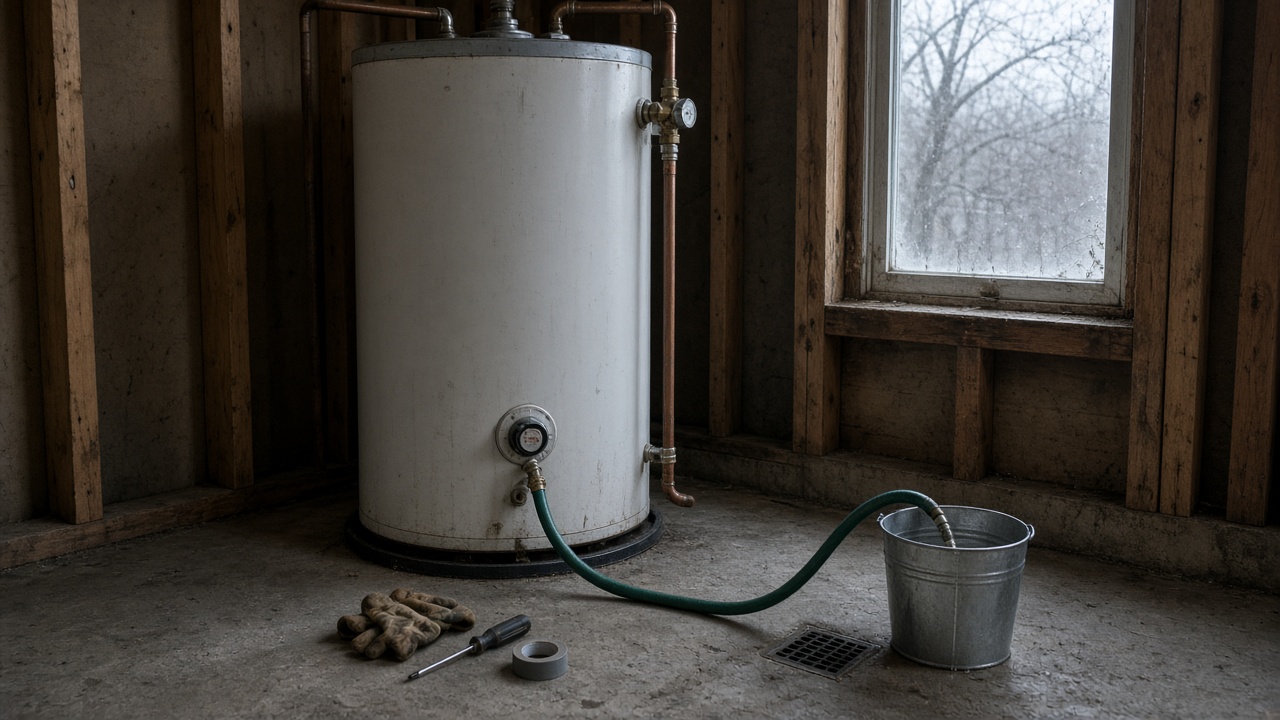
How to Winterize a Water Heater (Cabin and Freeze Guide)
Drain a tank water heater and leave it empty for freeze season. Covers cabins, vacant houses, vacation mode vs a full drain, and a safe spring restart.
Why Is My Hot Water Brown or Rusty? Causes and Fixes
Brown or rusty water from the hot tap only usually starts in the tank. Learn how to tell sediment from a spent anode rod, when a flush helps, and when the heater itself is failing.
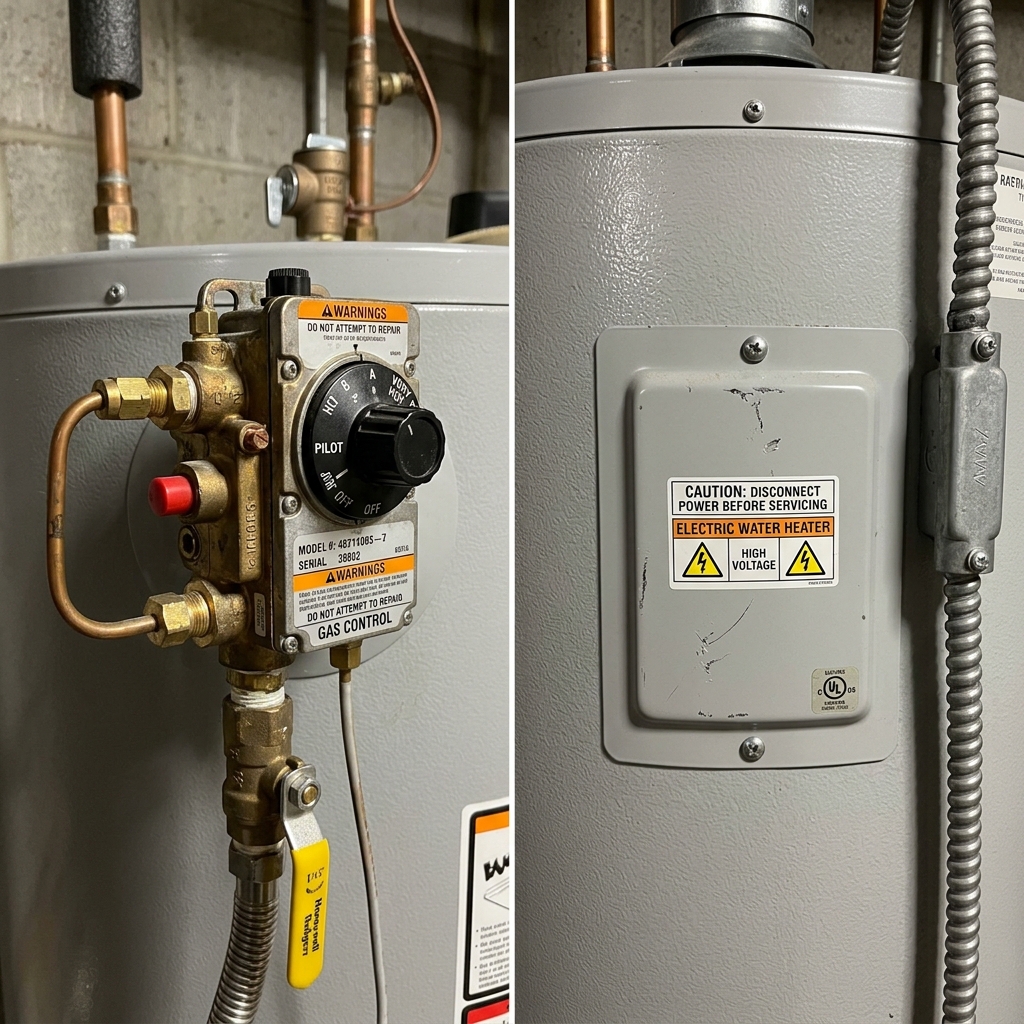
Best Heat Pump Water Heater 2026: Energy-Efficient Picks Compared
The best heat pump water heaters of 2026 ranked by efficiency, capacity, and value. Compare Rheem, A.O. Smith, Bradford White, Stiebel Eltron, and Sanden with…
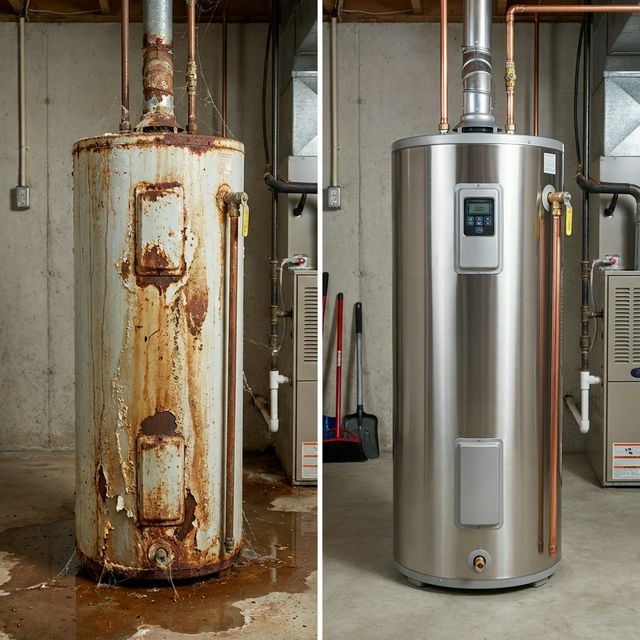
Best Water Heater Brands of 2026: Reliability, Efficiency, and Value Compared
A research-based comparison of the top water heater brands for 2026 — Rheem, A.O. Smith, Bradford White, Navien, and more — on tank vs. tankless, warranty…
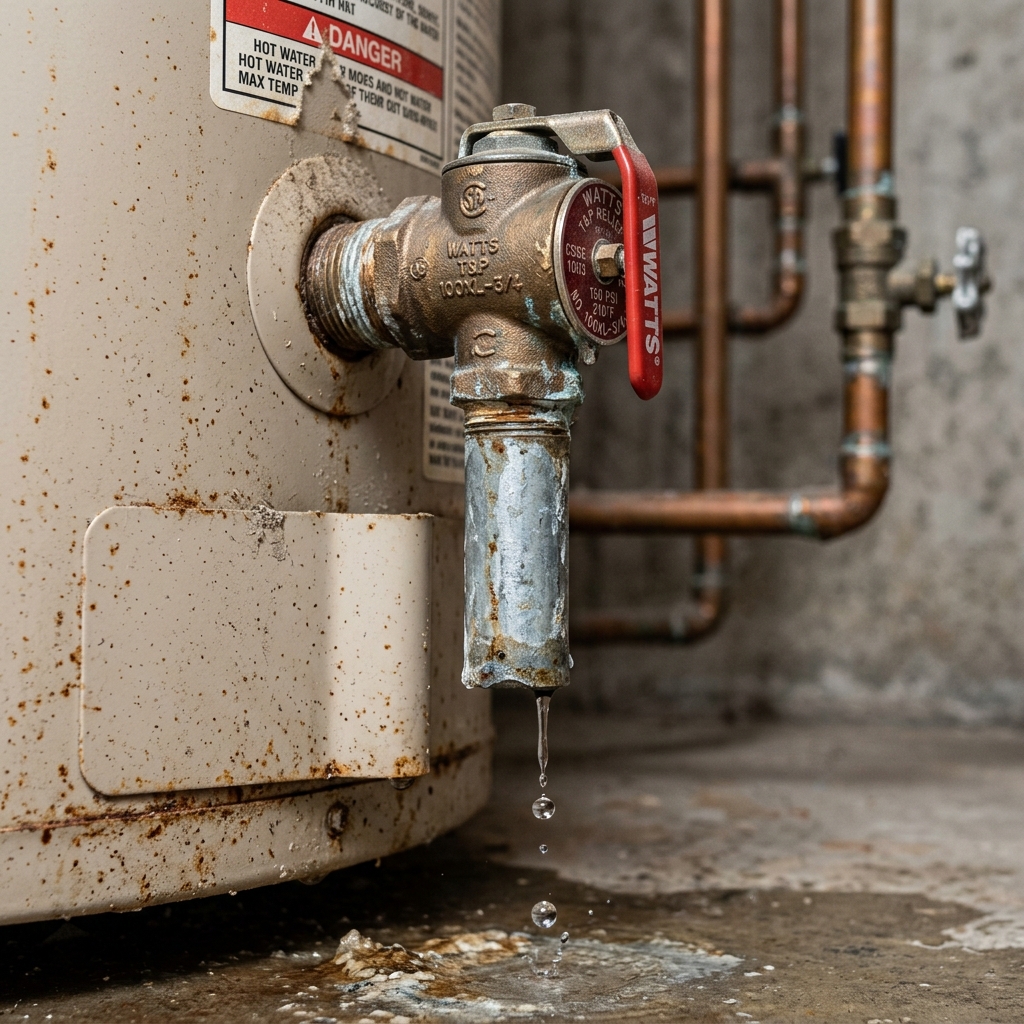
How to Fix a Leaking Water Heater Relief Valve: Step-by-Step Guide
Is your water heater's T&P relief valve dripping or running? Learn the exact causes of a leaking relief valve—from high pressure to sediment—and follow our step-by-step guide to test, diagnose, and replace it yourself.
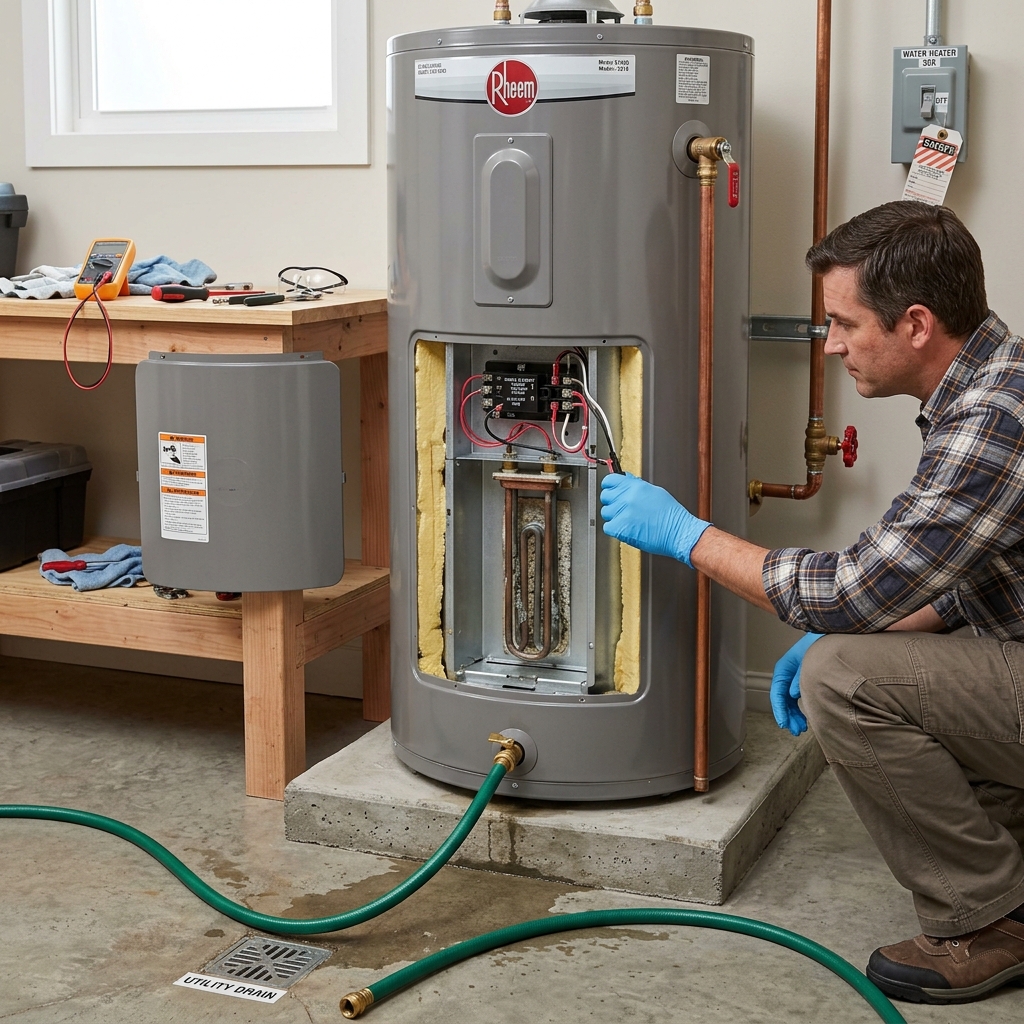
How to Drain an Electric Hot Water Heater: Safe DIY Guide
A step-by-step DIY guide on how to safely drain an electric hot water heater to remove sediment, protect elements, and extend tank life in 2026.